Bitumen
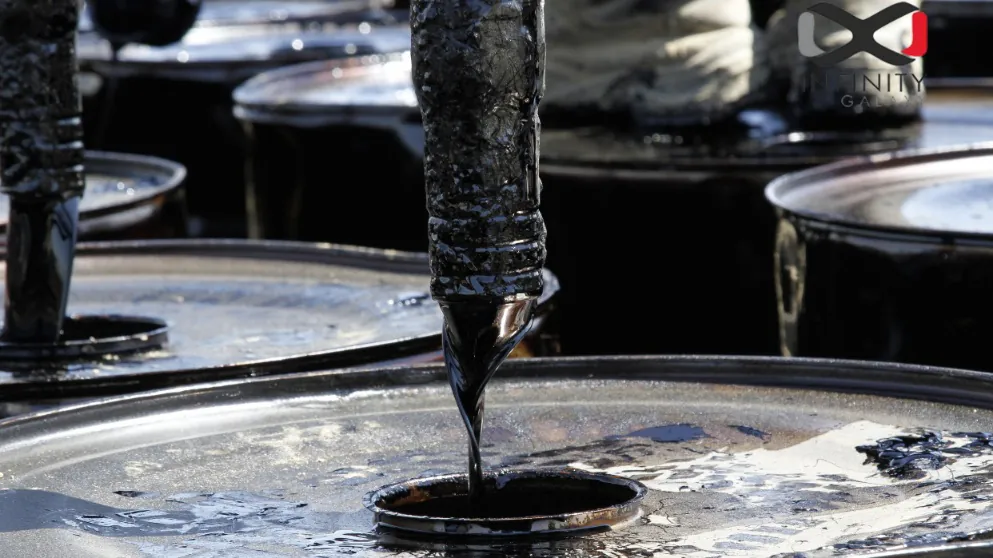
The Bitumen Material Plant (BMP) manufactures a variety of bitumen products suitable for the airport, roofing, and road sectors. Modified bitumen, which we actively produce, extends the lifespan of roads and reduces maintenance requirements from three to seven years.
Asphalt
Petroleum can appear as bitumen, a thick, sticky, dark liquid or semi-solid. It can be refined or naturally occurring. Historically, it was also called asphaltum, derived from Ancient Greek.
The new standards outline extended procedures for assessing the properties of final products. In addition to basic parameters like conditional viscosity and resistance to high temperatures, bitumen’s resistance to aging during transportation and asphalt mix production is also evaluated.
In 2018, BMP sold more than 745 thousand tonnes of bitumen in Oman and abroad, with significant progress in the production of modified binders.
Asphalt is primarily (70%) used in road construction, where it binds aggregate particles to form asphalt concrete. Other uses include roofing felt production and flat roof waterproofing with bituminous solutions.
“Crude bitumen” refers to naturally occurring asphalt, while “refined bitumen” is derived from fractional distillation of crude oil boiling at 525 °C (977 °F), with viscosity similar to cold molasses.
Bitumen for Roads
Road bitumen is produced by oxidizing direct oil distillation byproducts and selectively separating oil fractions. Compounding (mixing) is another method. It serves as a binder for new and repaired road and airport coatings.
BMP successfully implemented bitumen production according to the new international standard GOST 33133-2014 of the Customs Union technical regulation. This standard also governs aging resistance during transport and asphalt mix production.
Bitumen for Roofing and Buildings
Roofing bitumen is produced by oxidizing oil residues after atmospheric vacuum distillation. Production for roofing grades uses lighter raw materials with lower oxidation temperatures compared to road bitumen.